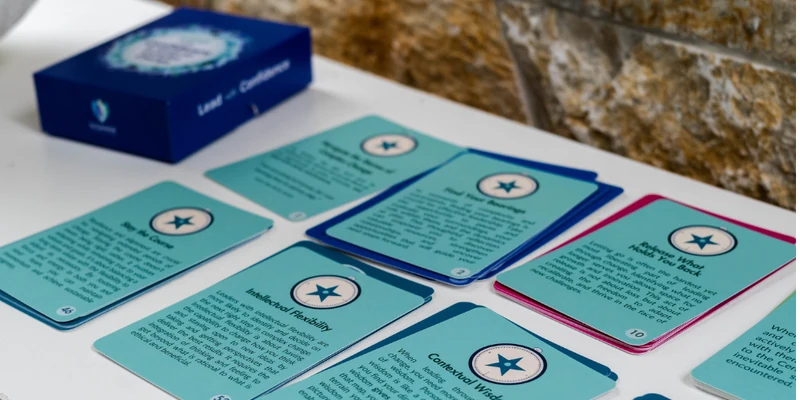
I recently ran a session for QUT’s Pathways to Politics program, with a group of women preparing to stand for office at every level of government. They worked in pairs,…
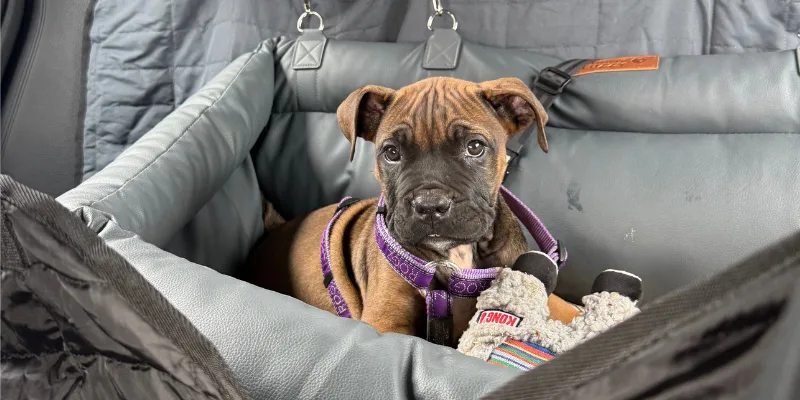
We picked up our new puppy Ripley, a Boerboel, from Kingaroy when she was eight weeks old. On the drive back we needed a toilet stop, and Avo Fest was…
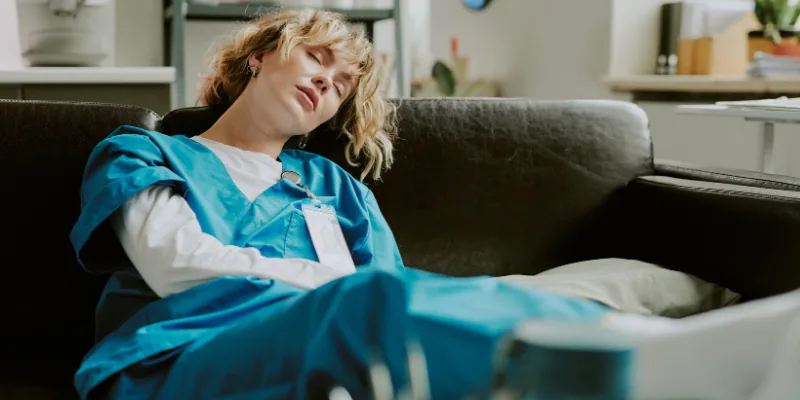
On a work trip to Sydney that crossed over with the weekend of the Sydney Marathon everywhere I would normally stay was either full or priced like it knew I…
I reorganised the pantry earlier this year. Everything came out onto the bench. I wiped down the shelves, sorted through what was still good and what was well past its…
If you’re like me, you may have noticed the Louis Theroux documentary Inside the Manosphere. It was released in March 2026, and I’ve been meaning to watch it since then.…
Early in our marriage, my husband had a routine for asking about a night out with his workmates. He would decide he wanted to go. Then he would spend days…
Years ago, I learned to ride a motorbike. I’m not the most coordinated person and my husband has been known to make rude comments about my ability to balance any…
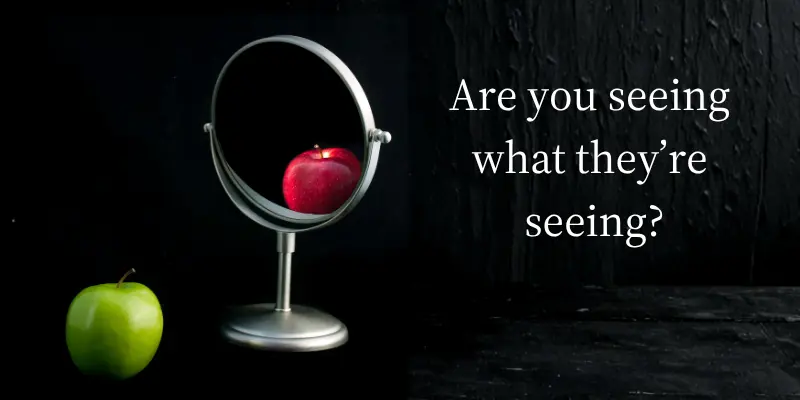
Senior leaders across health and human service NGO providers, peak bodies and commissioners recently came together for the first Wider Lens session. Different organisations, different seats in the same system,…
We use cookies to improve your experience.
Privacy Policy.