

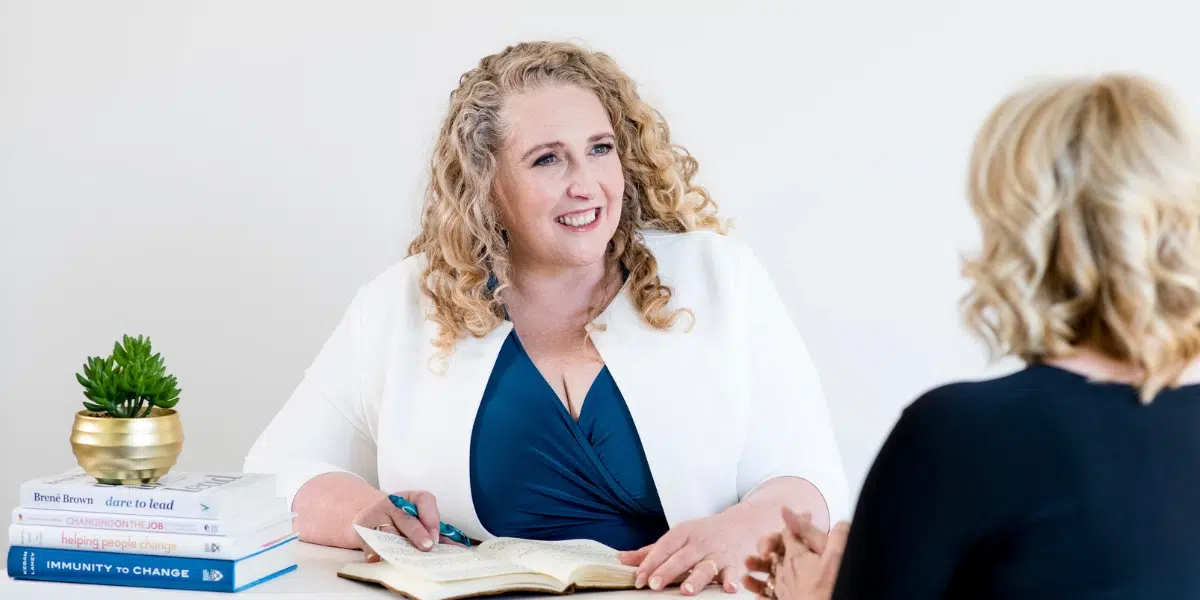
I have a client who works in a very public role. What started as coaching has shifted into something more focused. Instead of long sessions, we now connect for short, targeted conversations when something important is coming up. They send a quick text, we find a time, and we talk through the situation before they walk into it.
Because I know their context, how they want to lead and the outcomes they want, we can get straight to the point. They outline what is happening, I ask questions that get them focused, and we look at the options. They test the way they plan to frame an issue. I offer a different angle or help tighten the message. We look at how people might respond and what they could do if that happens.
It’s not magic; it is practical preparation, so they don’t walk into challenging situations cold.
One week, the situation played out almost exactly as expected. They said it wasn’t pleasant, but they went in steady. They recognised the signals as they came. They knew what mattered and what to let go through to the keeper (I’ve just come off being a cricket widow).
They told me afterwards that our conversation helped them feel capable in a room that can make them feel exposed.
Why this matters for leaders
People notice the difference when you react rather than respond.
A reaction is fast and protective. It can come across as firm or abrupt, and it shifts how others show up. They hold back, they share less and they avoid raising risks. That weakens the information you are working with and limits the options you can act on.
A response is deliberate. It signals intent, keeps people engaged and supports stronger decisions and follow-through.
However, I’m finding that although many leaders know when high-stakes conversations will happen, they tend to walk in with only a rough plan. They worry about how the meeting will play out, but don’t do the deeper work that gets a better outcome. They rely on instinct and hope the room will land where they need it to. Unfortunately, that’s when timelines end up stretched, issues escalate and the conversation starts to loop without moving the work forward.
The evidence behind this
A meta-analysis published in Frontiers in Psychology reviewed workplace coaching across multiple studies and found consistent, moderate improvements in performance, skills and confidence. Importantly, the benefits did not depend on long programs or high numbers of sessions. Short, focused conversations were enough to make a measurable difference.
A short, focused sensemaking moment with a trusted advisor can create the space that enables progress and impact by improving how you show up in the room and reduce follow-on risk.
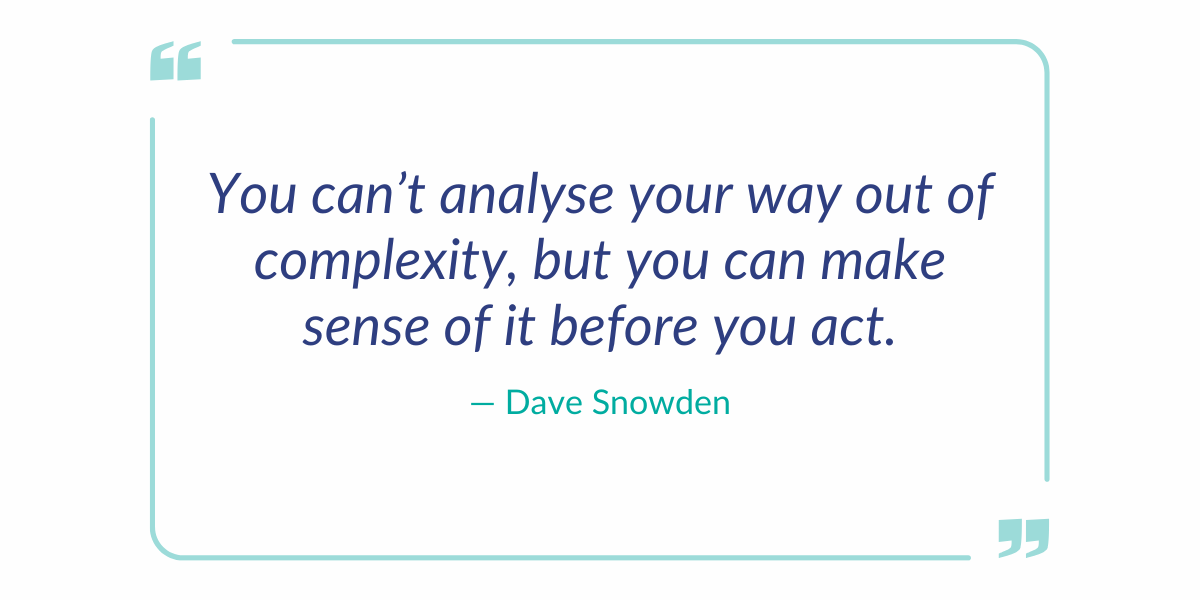
As Dave Snowden often says:
A useful frame
This is like stepping onto the cricket field before the first ball is bowled. You look at the pitch, the light, the grass and the field placement. You take in the conditions so you aren’t surprised by the first delivery. You adjust your stance before anything comes your way.
Leaders need the same quiet moment of preparation. A sense of the conditions, the likely responses and the signals you want to send. It’s not about scripting every move. It’s about orienting yourself so you can respond with intent rather than react.
A quick checklist
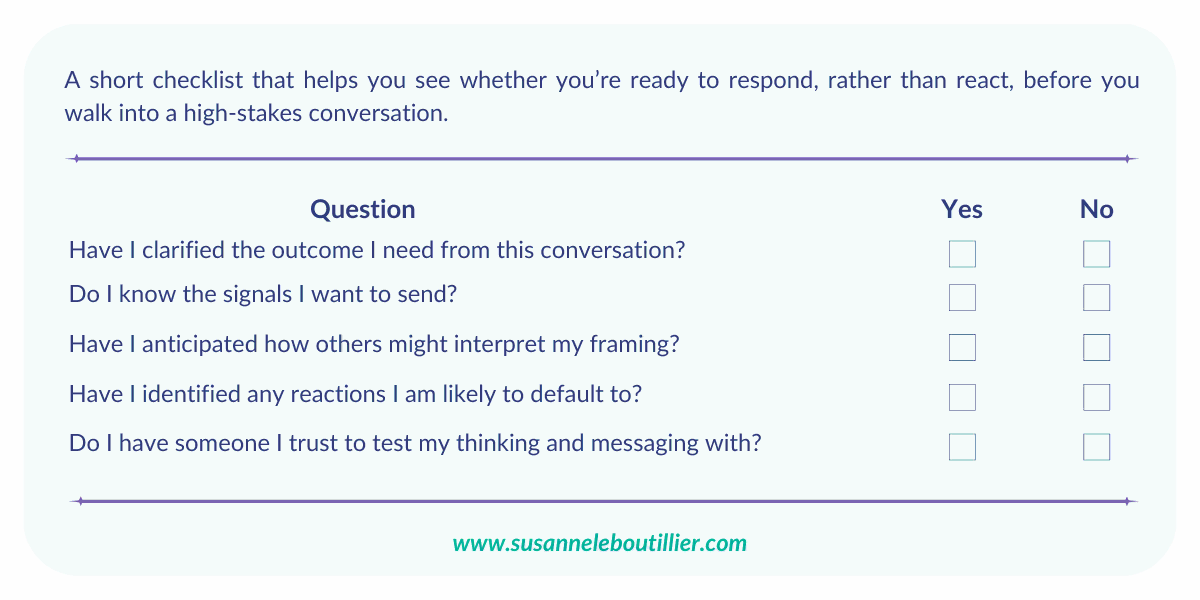
If you want to stay steady as conditions shift, start here
- Which of your upcoming conversations deserve more preparation, given the outcomes at stake?
- Who will play the role of trusted advisor e.g. a colleague, a board member, a peer outside the organisation or someone else external?
- What preparation would help you respond with intent rather than rely on instinct?