

Why today’s leaders need conflict intelligence
Early in my career, I was thrown into the deep end of enterprise bargaining.
The room was packed with officials and workplace delegates from the Building and Engineering Unions. There were rank-and-file and leaders, shoulder to shoulder. The all-male negotiating team who’d been in place before me, told me it had been tense, loud, and aggressive.
Table-thumping was the norm, voices were raised, and there was a lot of aggressive swearing directed at the management team.
When I joined the team, something shifted. A delegate would be mid-tirade, suddenly clock my presence across the room, and immediately backtrack. Apologies tumbled out, voices softened.
Not because I had any great negotiating skills back then. More likely because some part of them heard their mother reminding them to behave like gentlemen.
It worked to our advantage. Suddenly, the room had less chest-beating and a bit more listening.
Back then, etiquette did the heavy lifting. Today leaders need conflict intelligence.
A rising tide of workplace complaints
Looking at what’s happening globally, it’s clear conflicts won’t back down that easily. They surface everywhere, from the boardroom to the headlines.
In Australia, nearly four in ten employers (38%) reported an increase in claims or complaints related to psychosocial hazards, including conflict or poor workplace relations in the 12 months to September 2024, compared to just 13% who reported a decrease (AHRI Work Outlook Report, Q4 2024).
Leaders are now under scrutiny like never before. As Peter T. Coleman, director of the Morton Deutsch International Center for Cooperation and Conflict Resolution at Columbia University, writes in his Harvard Business Review article, The Conflict-Intelligent Leader:
“Polarization and increased incivility have put CEOs under intense scrutiny. Today their every utterance risks backlash from employees, customers, politicians, or all three.”
— Peter T. Coleman
Coleman and his colleagues have spent three decades studying conflict, drawing from psychology, peace and conflict studies, and complexity science. From that work, they’ve identified four core competencies as the essential leadership abilities for navigating conflict constructively:
-
Self-awareness and self-regulation — remaining calm and strategic
-
Social-conflict skills — deep listening, balancing advocacy, and checking biases
-
Situational adaptivity — tailoring approaches and flexing to context
-
Systemic wisdom — seeing broader patterns, addressing root causes, and learning from history.
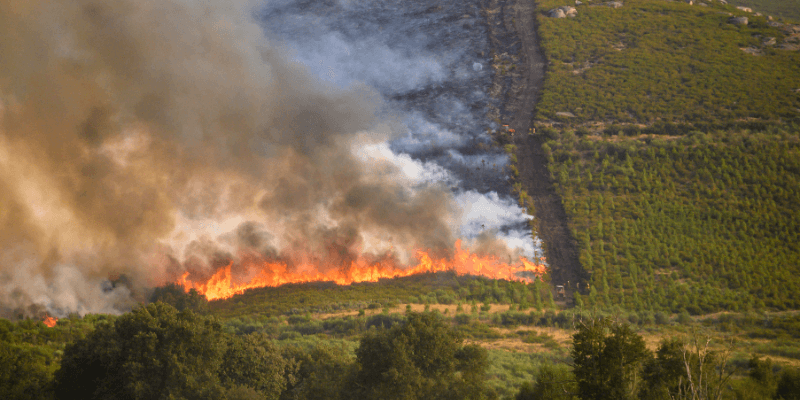
Think of conflict intelligence as a firebreak. You can’t stop the sparks, but you can stop them from becoming a blaze that burns trust. The way leaders handle conflict is what creates the conditions for psychological safety, where trust, respect, and open communication allow people to do their best work, even in the midst of tension.
The conflict intelligence competencies sit within the broader Centring Star system of interrelated capabilities:
-
Self-awareness and self-regulation is Emotional Agility — staying steady rather than being hijacked by reactivity.
-
Social-conflict skills are Inter-relational Expertise — listening, building trust, and creating the conditions for psychological safety.
-
Situational adaptivity resonates with both Tactical Agility and Intellectual Flexibility — flexing to context, testing new approaches, and resisting the pull of “yesterday’s solutions”.
-
Systemic wisdom is Contextual Wisdom — seeing the bigger picture, tracing patterns, and grounding choices in values and purpose.
From managing disputes to leading through change
Conflict intelligence gives leaders the foundations.
Coleman’s research shows that leaders with higher conflict intelligence foster cultures of creativity, resilience, and psychological safety. They’re the ones whose teams feel empowered to speak up, take smart risks, and navigate stress without falling apart.

The Centring Star builds these capabilities but it goes further, equipping leaders not only to manage disputes but to lead through complex change.
So here’s the focus for this week:
-
The next time you feel conflict rising, ask one more question than you feel comfortable with, and notice what shifts.
-
If you find yourself reacting, pause and take a moment to reset. Strategic calm is part of your job.
-
Look beyond the flashpoint. What else could be in play? Use your curiosity.
Conflict will always be part of leadership.
What matters is whether you show up in ways that deepen division or in ways that create the conditions for people to think, work, and lead together.
And if there’s one thing I learnt early on, it’s this: play the issue, not the person.