
The Reality Behind the Restructure
Two teams had just been merged under one executive. On paper, the restructure made sense—consolidate delivery, reduce duplication, unlock momentum.
But that’s not what happened.
Two camps emerged: one holding tight to the past, the other racing ahead. Conversations stayed polite but cautious. Priorities kept shifting. People were working hard—but not together. And while no one named it out loud, the Board had started asking sharper questions.
It wasn’t a capability problem.
It was a clarity and commitment problem.
When people are stuck in old loyalties, distracted by competing signals, or too stretched to think strategically—momentum stalls. And when alignment is missing, good people start pulling in different directions, even with the best intentions.
The Turning Point: Space to Think
The shift began when they created space to think. Not just talk.
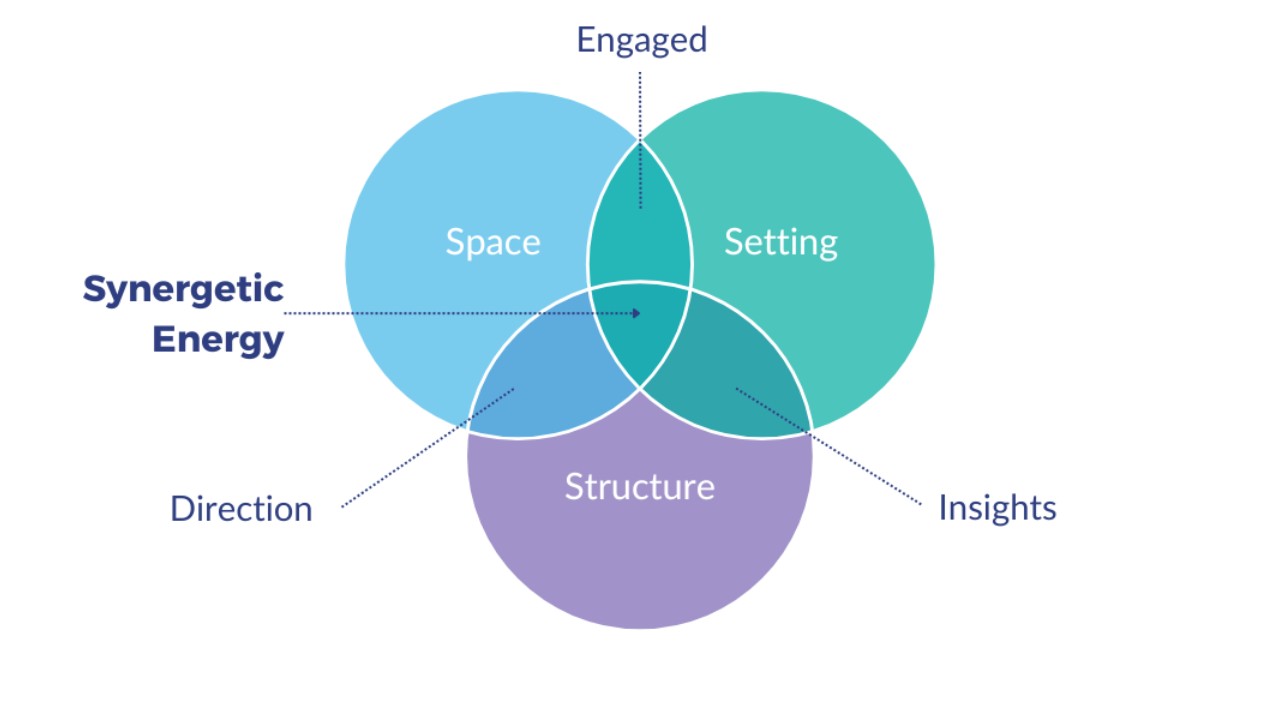
When setting, space and structure were deliberately designed—not just left to chance.
When a Catalyst held the space—not to provide answers, but to clear the fog and guide them toward shared insight, direction, and action.
They didn’t leave with just a plan.
They left with alignment, energy, and a shared commitment to move forward—together.
Because when clarity and commitment are both missing, more conversations won’t help. You need a catalyst.
A catalyst doesn’t arrive with answers.
They clear the fog.
They create the conditions—emotionally, cognitively, and structurally—for teams to reorient. To stop reacting and start thinking, together. So when you move, it’s not just action—it’s aligned action.
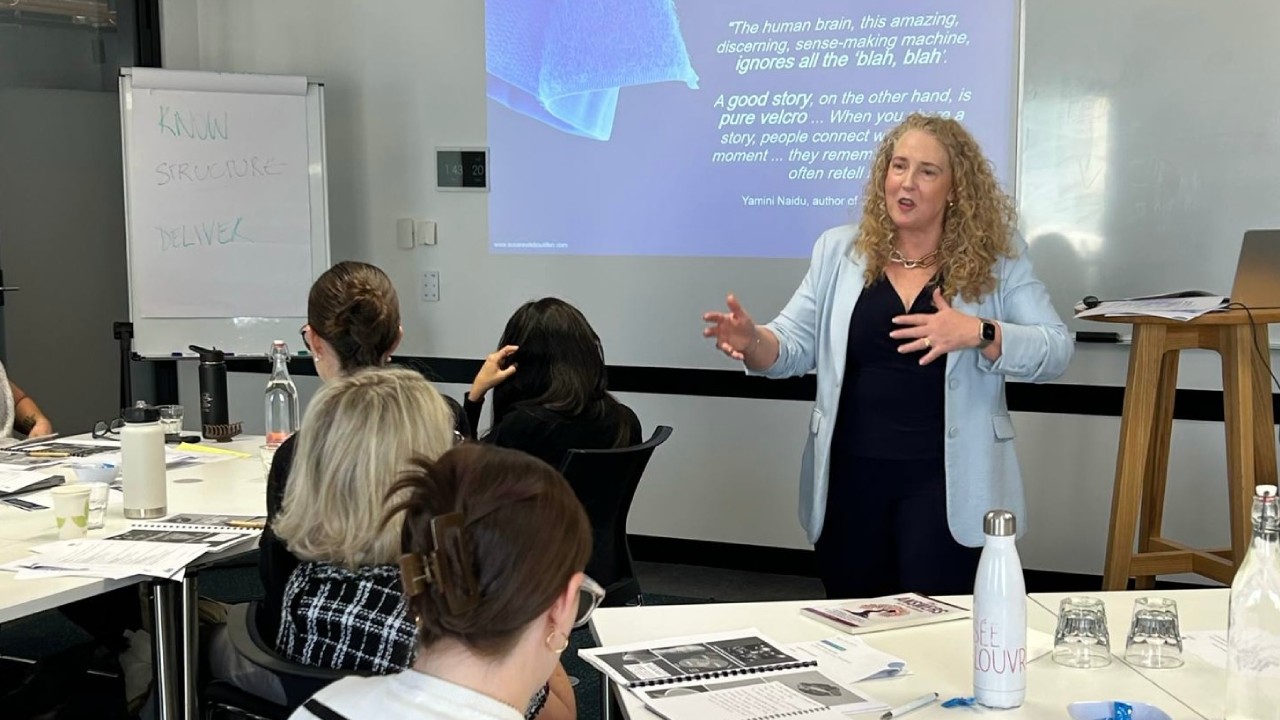
“Facilitation is like walking into a dark room with a group of people you don’t know, and you don’t know where the light switch is. But you have faith that, together, you’ll find it.”
— Meg Wheatley
And when you’re pulling people away from delivery—clearing calendars, rescheduling clients, or pressing pause on a dozen other demands—the cost of a wasted session is real.
68% of people say they don’t have enough uninterrupted focus time during the workday (Microsoft Work Trend Index, 2024). When you finally make space to think and work together—it needs to count.
That’s why asking an already overloaded team member or trying to run the session yourself rarely delivers.
You’re either too close to the issue, too split in your attention, or too bound by role expectations to hold the space well.
External facilitation isn’t just about neutrality. It’s about focused, intentional design that turns conversation into clarity, commitment, and meaningful movement.
That’s what Catalyst Facilitation is built for.
Not just a structured agenda. Not a clever workshop design.
Catalyst Facilitation brings together the right space, setting, and structure so that people can stop reacting—and start thinking well, together.
From Drift to Direction
If you’re navigating tension, fatigue, or strategic drift, this approach helps teams move from unclear and unaligned to focused and forward-moving.
From project brief to post-engagement reflection, Catalyst Facilitation is carefully designed yet fully adaptable—shaped by what’s emerging, not bound by a rigid script.
You’ll see the difference:
- In the quality of dialogue.
- In the depth of thinking.
- In the alignment that builds—not just at the end, but as part of the process
You don’t get many chances to bring the right people into the room.
So when you do—who’s holding the space?
If you’ve been thinking about how to make those moments count, I’d be glad to explore what that could look like for your team.
I invite you to book a call to explore what’s possible.

