
For a week, a large python turned up on our deck, directly opposite the front door. It arrived in the afternoon and stayed into the evening when the outside light was on, coiled in a strike position, with part of its body tucked under the decking.
We got into the habit of checking before we stepped outside: “Where’s the snake? Is it there?”
When I took the puppy out for a break, the deck was clear. We went down the steps and played on the grass, then headed down the hill and around the side of the house to go back in underneath.
Something brown slithered across the grass and through the dry leaves in front of us. I yelled “Leave”, pulled on her lead, and we turned around and went back the way we had come.
I walked up the steps and onto the deck without looking. When we turned towards the door, the python was in its usual spot, earlier than it normally arrived, stretched out across our path.
The puppy hadn’t seen it. I yelled “Leave it”, she ended up on her back with her legs in the air wondering what on earth was going on, and I rushed her off the deck. We went the other long way round.

I have lived here long enough to expect the occasional snake. I had not expected two in less than 10 minutes.
I had checked that deck on the way out. Once something else had my attention, I didn’t check it on the way back.
The first problem can hide the second
Leadership teams do the same thing.
The first problem takes everyone’s attention. A funding decision lands early, a key person resigns, or a regulator asks a question nobody expected. While the team deals with it, they fall back on what they trust: the standing plan, the usual supplier, the person who always handles it.
Nobody stops to check those, because they have worked before and everyone is busy with the first problem. If another problem is building, it can be sitting in the plan, the supplier or the person the team is relying on.
Falling back on what you trust is a sensible response. It can also put you straight in the path of the next problem.
This is the Convergence Trap: the way you respond to one pressure can increase your exposure to the next.
Carpet pythons hunt by ambush. They settle somewhere their prey is likely to pass, and wait. Many organisational risks work the same way. They build up in the plans, contracts and arrangements you use every week, and often only show up when you need those arrangements to work.
The plan worked last time, so nobody looks at it while something else is going wrong. In a survey of public and private companies fielded late in 2025, Deloitte and the Society for Corporate Governance found that of listed companies with a formal crisis management plan, 57 per cent of large companies and 25 per cent of mid-sized companies review and test it at least annually or biennially. Put the other way, 43 per cent of the large companies and 75 per cent of the mid-sized ones are not reviewing and testing the plan they would turn to in a crisis, even once every two years.
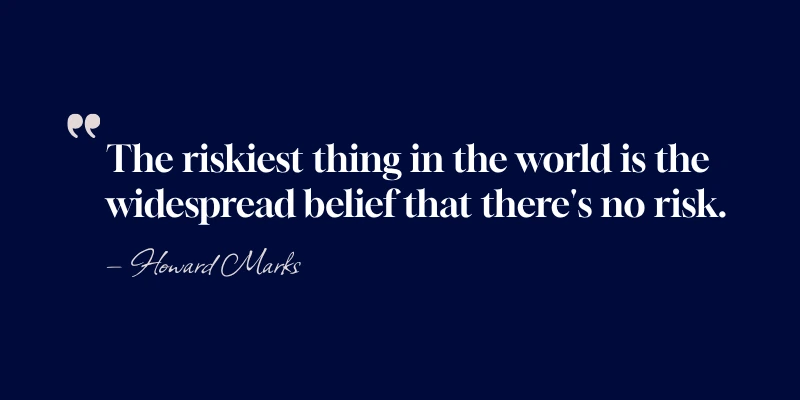
Howard Marks, co-founder of Oaktree Capital, wrote in his 2014 memo Risk Revisited:
Check the route you are falling back on
The people dealing with the first challenge are the least likely to notice another one building in what they are relying on.
When something unexpected lands and your team turns to its trusted option, give that option to someone who was not part of the original response. Ask them to check it as though it were new: what has changed since it was last tested, what it now depends on, and what else is due to land on it in the next few months.
The Convergence Trap strategic field guide is built around this pattern. I use it with NGO boards and executive teams to find where a response that makes sense on its own could leave them more exposed when several pressures land at once.
The second edition of the guide is now available. If you would like, reply to this email and I will send it to you.
Written with AI assistance. The thinking and the final wording are mine.