
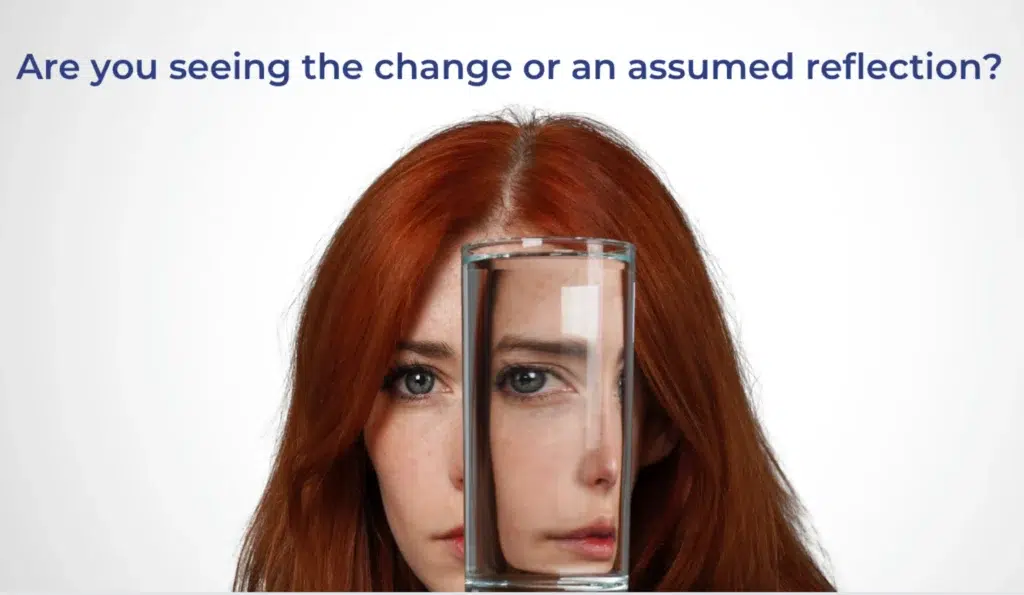
Why Some Leadership Shifts Go Unseen
There’s been a lot of media lately about a former senior union official now under serious scrutiny for their leadership of a prominent union. I remember sitting across the negotiating table from that person years ago—back when they were still an industrial officer.
I once had to break up a physical fight between them and an official from another union. It was volatile. But even then, I remember sharp thinking beneath the bravado. Seeing their name in the headlines again has reminded me how hard it can be to reconcile who someone was with who they appear to be now.
But people don’t only change for the worse. They can also grow, soften, rise to the moment—and still go unseen.
How Old Perceptions Undermine New Progress
That brings to mind a senior leader I once coached. She was working under extremely difficult and unusual circumstances—and made a deliberate, thoughtful effort to lead differently. More reflection. More presence. A clear shift in how she related to others.
But her team couldn’t see it. They filtered everything she did through the lens of who they remembered her to be.
It’s like autocorrect in a text message. Even when someone types something new, your phone “corrects” it back to what it thinks they meant. We do the same with people—substituting the version we expect, even when they’re saying or doing something different.
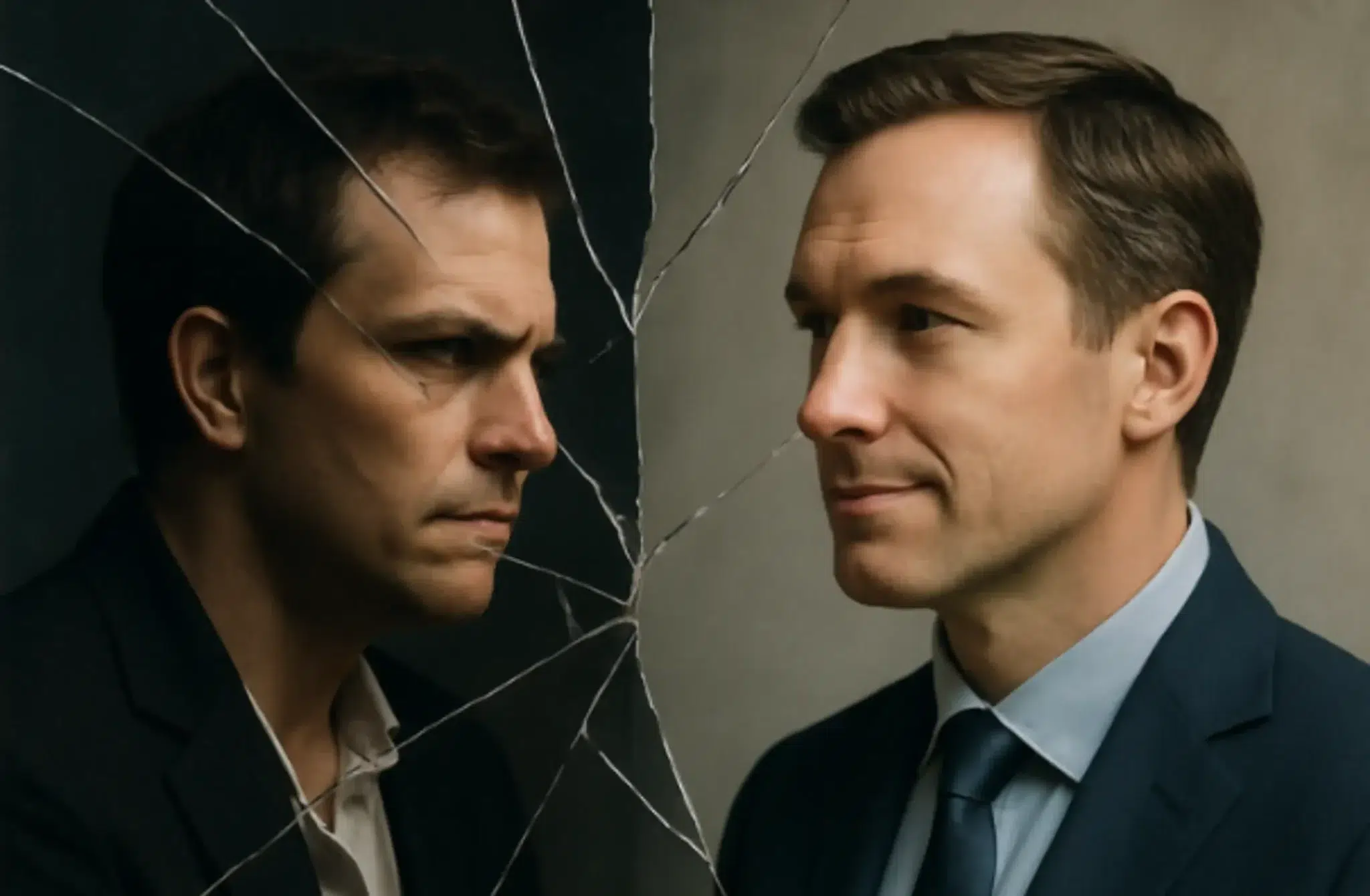
And when that happens, it’s disheartening.
Despite her best efforts, the lack of recognition made it harder to keep going. When change isn’t acknowledged, it doesn’t just feel lonely—it can start to feel futile.
This isn’t rare. Most of us have moments in our careers we’d rather not be remembered for—when stress or circumstance brought out a version of us that isn’t who we are now. And yet, that’s the version that can stick in other people’s minds.
It’s easy to miss what’s changed:
The insight gained.
The habits reshaped.
The effort made—quietly, consistently—to show up differently.
When those efforts go unseen, it’s not just frustrating. It takes the air out of change.
So this is my invitation to you:
How would you want to be treated when you’re putting in the hard work to grow?
What kind of recognition would help you keep going?

Why We Miss What’s Right in Front of Us
There’s a well-known psychology experiment from the 1940s. Researchers flashed playing cards with altered features—like a red spade or a black heart. Most people didn’t notice. Their minds automatically “corrected” what they saw to match what they expected.
We do this with people too. We miss what’s changed, because we’re still looking through an outdated lens.
As Anaïs Nin put it:
“We do not see things as they are. We see them as we are.”
— Anaïs Nin
So this week, pause before you respond to someone from memory.
What might shift if you looked again?